


Many homeowners and office managers struggle between roller shade vs solar shade when it comes to selecting window treatments. Though they serve different goals based on your needs, both choices provide distinct advantages, from light control to aesthetic appeal. Choosing between roller shades and solar shades can be difficult, particularly regarding privacy, UV protection, and energy economy. By highlighting the main distinctions in this paper, you will be able to choose which window treatment best fits your area.

What are Roller Shades?
Roller shades are a popular and versatile window treatment option that can be customized to suit various interior styles and functional needs. These shades consist of a single piece of fabric that rolls up and down on a cylindrical tube. Roller shades are typically mounted inside or outside the window frame and are operated using a chain, cord, or motorized system.
Features of Roller Shades
- Simplicity and Versatility: Roller shades are known for their simple, clean design that fits well with most home or office decor styles. They are available in a wide range of fabrics, colors, and patterns, making them highly customizable.
- Light Control: These shades are highly effective in controlling the amount of light entering a room. Depending on the fabric used, roller shades can range from sheer to blackout, allowing you to adjust the light levels as needed.
- Privacy: Roller shades are great for providing privacy, especially when you choose opaque or blackout fabrics that prevent anyone from seeing inside while still allowing natural light to filter through.
- Space-Saving: Due to their design, roller shades take up very little space, making them an ideal option for smaller rooms or windows with limited space.
Types of Roller Shades
- Blackout Roller Shades:
- Solar Roller Shades:
- Sheer Roller Shades:
What are Solar Shades?
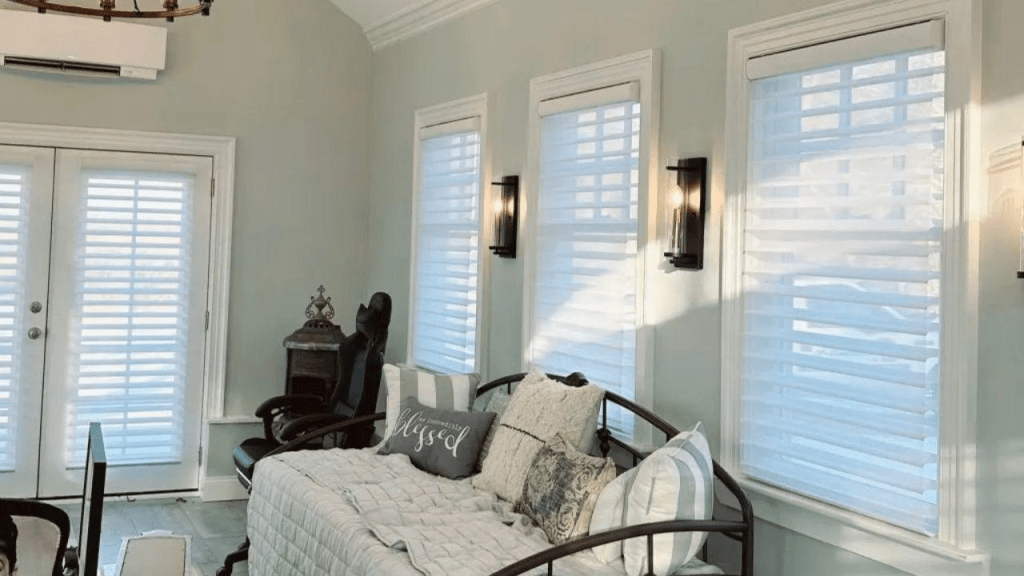
Solar shades, sometimes referred to as solar window shades or sun shades, are a type of window treatment specifically designed to reduce glare and block UV rays while still allowing natural light to flow into a room. Unlike traditional window coverings, solar shades are typically made from a special mesh or fabric that filters sunlight without completely darkening the room.

Features of Solar Shades
- UV Protection: One of the primary functions of solar shades is to block harmful UV rays. This is especially important in spaces that experience a lot of sun exposure, as UV rays can cause fading and deterioration of furniture, flooring, and artwork.
- Glare Reduction: Solar shades help reduce glare, which is especially beneficial for areas where screens (like computers or televisions) are used. By diffusing the light entering the room, solar shades make it easier to view screens without straining your eyes.
- Light Filtration: Solar shades are designed to filter sunlight while still maintaining a degree of visibility. They allow natural light to enter the room, but the fabric reduces its intensity, creating a softer ambiance.
- Energy Efficiency: Solar shades are often made from materials that have energy-saving properties. By blocking the sun’s heat in the summer, they help keep the room cooler and reduce reliance on air conditioning. In winter, they can also help maintain warmth by insulating the window.
Types of Solar Shades
- Standard Solar Shades:
- Dual Solar Shades:
- Motorized Solar Shades:
Roller Shade vs Solar Shade: Key Differences
Roller blinds and solar shades differ in light control, privacy, energy efficiency, and design. Understanding these differences might help you choose based on your needs and space.
Light Control and Privacy
- Roller Shades: Roller shades can be customized for light control. Roller blinds offer more light filtering options with blackout and sheer fabrics. Blackout roller curtains provide complete darkness in bedrooms and home cinemas. However, sheer roller blinds let light in while maintaining privacy, making them excellent for living areas and kitchens.
- Solar Shades: Solar shades filter sunlight and block UV radiation. Although they lessen glare, they do not provide as much privacy as roller shades. Solar shades are better for balancing natural light and seclusion. They are not fully blocking the outside view.
UV Protection
- Roller Shades: Roller shades may protect against UV rays, depending on the fabric. Blackout and solar roller shades often offer the finest UV protection for furniture, flooring, and decor.
- Solar Shades: UV-protective solar shades. They let light in while blocking UV rays. They are perfect for sunrooms and areas with pricey furnishings that may fade.
Aesthetic and Design Options
- Roller Shades: Roller shades are more adaptable, with striking designs and neutral tones. They come in many materials and textures, so you can match the room’s decor. Roller shades may be adjusted for opacity, giving you more light control.
- Solar Shades: Solar shades are usually simpler. Mesh or woven cloth limits color selections compared to roller shades. The stylish, sleek style they provide works well in contemporary environments.
Energy Efficiency
- Roller Shades: Insulating materials like blackout textiles make roller shades energy efficient. They block sunlight in summer and heat loss in winter to keep a place warm.
- Solar Shades: Solar blinds boost energy efficiency. Blocking solar heat in summer lowers cooling costs. Air flows through the mesh fabric without letting heat in.
Which One is Best for Your Space?
Choosing between roller shades and solar shades depends largely on the specific needs of your space. Whether you are outfitting a bedroom, office, or living room, it’s important to consider factors like light control, privacy, energy efficiency, and aesthetic preferences.
Bedrooms and Media Rooms
- Roller Shades (especially blackout versions) are an ideal choice for spaces where you need total darkness. They provide complete privacy and light control, making them perfect for sleeping or watching movies. If privacy is a concern, blackout roller shades are the way to go.

Offices and Workspaces
- Solar Shades are well-suited for office spaces where reducing glare on screens and maintaining visibility are key priorities. Solar shades provide the right amount of light filtration while helping to protect your eyes from strain caused by direct sunlight. They also offer UV protection, which is important for preserving office furniture and electronics.
Living Rooms and Dining Areas
- Roller Shades in sheer or light-filtering fabrics work well in living and dining areas where a balance of natural light and privacy is desired. If you prefer a more modern, sleek look, solar shades can be a good option to maintain a bright, open feel while minimizing glare and UV exposure.
Sunrooms and Areas with Direct Sunlight
- Solar Shades are ideal for rooms that receive a lot of direct sunlight, such as sunrooms or patios. They offer excellent UV protection, reduce glare, and help with energy efficiency by preventing excess heat from entering the room.
Comparing Rollser Shade vs Solar Shade: Final Word
In comparing roller shade vs solar shade, each has its place depending on your specific needs. Roller shades provide more versatility in light control, privacy, and design, while solar shades excel at reducing glare and offering UV protection. Consider the function of the space and your design preferences to determine the best option for your home or office.
For the right roller shade or solar shade for your space, consider East End Blinds for your needs. We have a wide range of selections that fit any residential or commercial property.