


Vinyl shutters are becoming a popular choice for homeowners. They offer a great mix of style, durability, and easy maintenance. As people look for window coverings that last, these shutters stand out for their affordability and long lifespan.
But here’s the big question: Are vinyl shutters worth the investment? With so many options on the market, it can be hard to know what’s best for your home. In this post, we’ll explore the pros and cons of vinyl shutters.
What Are Vinyl Shutters?
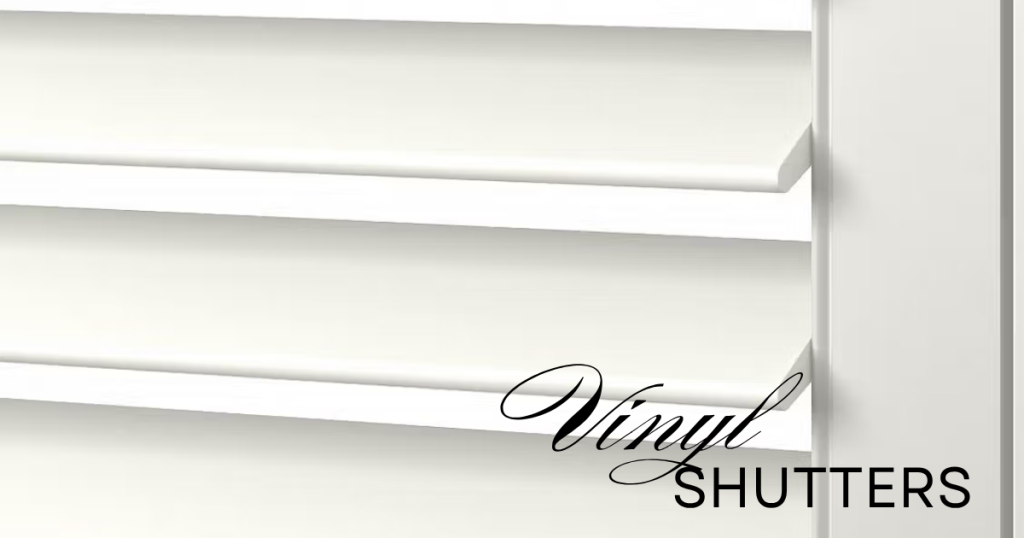
Vinyl shutters are window coverings made from durable, synthetic materials known as polyvinyl chloride (PVC). Unlike wood, which can warp or require regular maintenance, vinyl is built to last and resist damage from moisture, sunlight, and wear.
These shutters are commonly used in both residential and commercial settings. You’ll often see them in homes, especially in kitchens, bathrooms, and on the exterior of buildings. They’re also popular in offices or commercial properties looking for a sleek, low-maintenance window treatment.
When compared to wood and composite shutters, vinyl tends to be more affordable and requires far less upkeep. Wood shutters can be beautiful but need regular painting or staining to maintain their look. Composite shutters offer durability but can still be vulnerable to moisture in humid environments. Vinyl, on the other hand, remains robust, fade-resistant, and nearly maintenance-free, making it a top choice for many homeowners.
Pros
Cost-Effective Solution
Vinyl shutters are one of the most affordable window treatments available. When compared to wood shutters, vinyl is much less expensive to purchase. This makes them a great option for those on a budget or homeowners looking to renovate without breaking the bank.
Plus, they don’t require expensive maintenance like wood shutters do. There’s no need for repainting or refinishing over time, which makes them a cost-effective choice in the long run.
Durability and Maintenance
Vinyl shutters are known for their impressive durability. They can stand up to extreme weather conditions, including intense sunlight, high humidity, and rain, without deteriorating. This makes them a fantastic choice for rooms like bathrooms or kitchens, which have higher moisture levels.
Unlike wood, vinyl won’t warp, crack, or rot. And when it comes to cleaning, they’re incredibly easy to maintain. A simple wipe with a damp cloth is usually all it takes to keep them looking new.
Variety and Customization
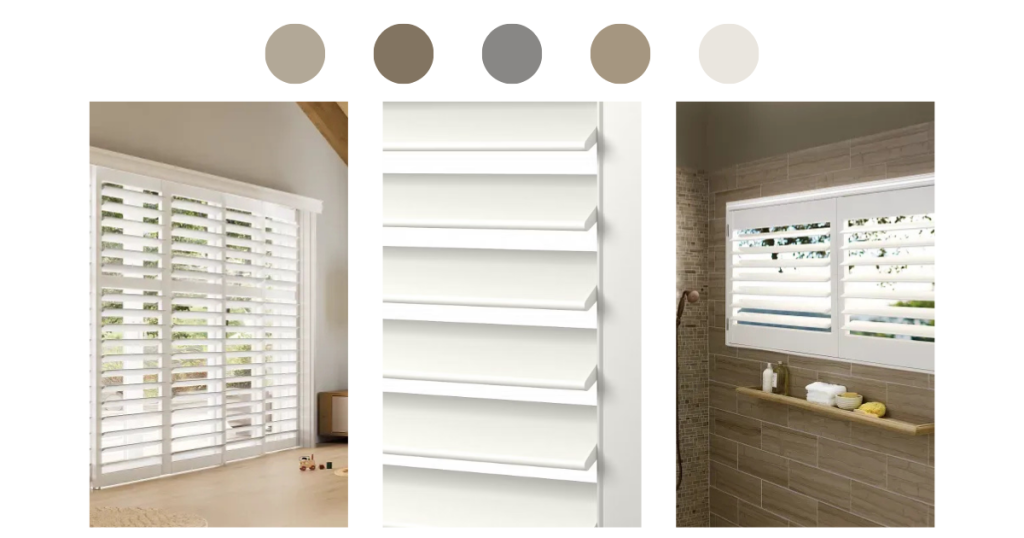
Vinyl shutters are highly customizable to suit different tastes and window types. They come in a variety of styles, such as plantation, solid panel, and tier-on-tier, allowing you to choose the design that works best for your home.
Additionally,they are available in many colors, so you can pick a shade that complements your interior decor. They come in various sizes to fit different window shapes. You can find options for standard rectangular windows, as well as unique designs like arches or angled windows.
Energy Efficiency
Vinyl shutters provide an extra layer of insulation for your windows. This helps keep your home cooler in the summer and warmer in the winter, which can lead to savings on your energy bills. They are especially effective at blocking out heat and cold, making them a smart choice for homes in both hot and cold climates.
This energy efficiency helps reduce your use of heating and cooling. It lowers energy consumption and minimizes environmental impact.
Fade Resistance
One of the main advantages of these shutters over wood is their resistance to fading. Over time, wood shutters can discolor due to exposure to sunlight, which can make them look worn and dated.
Vinyl shutters, on the other hand, are designed to retain their color even after years of sun exposure. This makes them ideal for rooms that get a lot of natural light, like living rooms or sunrooms. With these shutters, you won’t need to worry about them losing their vibrancy.
Maintenance-Free Option
Vinyl shutters require almost no maintenance. Unlike wood shutters, which may need regular sanding, staining, or painting, these shutters retain their appearance for years without much effort.
They don’t peel, crack, or chip like painted wood can. This makes them an ideal choice for busy homeowners who don’t want to spend time and money on upkeep. Simply dust them off occasionally, and you’re good to go.
Cons
Not as Aesthetic as Wood
Vinyl shutters are practical and durable, but they don’t have the same natural beauty as wood. Wood shutters are often seen as more elegant and timeless. They bring a classic, high-end look to any room.
Vinyl shutters, on the other hand, have a more synthetic appearance. While they can still look attractive, they may not match the warmth and charm of natural wood. However, with the right design and color, these shutters can still complement most home styles.
Vulnerability to Cracking
One of the drawbacks of these shutters is their vulnerability to cracking. In extreme heat or cold, vinyl can become brittle and may crack or warp. If you live in a region with extreme temperatures, this could be an issue.
While modern vinyl is more durable than ever, it’s still not as resistant to harsh weather as wood or composite materials. For homes in areas with freezing winters or very hot summers, vinyl may not be the best long-term option.
Limited Customization
Vinyl shutters come in many styles and colors, but they don’t offer the same level of customization as wood or composite shutters. If you have a very unique window shape or a specific design in mind, vinyl might not provide the same flexibility.
For example, highly detailed or intricate designs are often more easily achieved with wood. Vinyl is better for standard designs but may not meet the needs of those seeking highly custom or ornate options.
Perceived Lower Value
Many buyers associate these shutters with lower quality compared to wood. This perception can affect the overall appeal of vinyl, especially for those looking for a more upscale product. In higher-end markets, some homeowners may avoid vinyl because they view it as less valuable than wood or other premium materials.
While vinyl offers great durability and functionality, it may not be considered as luxurious as wood shutters in the eyes of some buyers.
Vinyl Shutters vs. Other Materials
Vinyl vs. Wood
When comparing vinyl to wood shutters, there are a few key differences:
- Cost: Vinyl shutters are more affordable than wood. Wood shutters can be expensive, especially for high-quality materials, while vinyl offers a similar look at a lower price.
- Maintenance: Wood requires regular upkeep, such as painting or staining, to keep it looking good. Vinyl, on the other hand, is low-maintenance. It only needs an occasional wipe-down to stay clean.
- Aesthetics: Wood shutters have a natural, classic appeal that many people find elegant and timeless. These shutters can still look stylish, but they may not have the same warmth and richness that wood provides. However, vinyl can be made to resemble wood in some designs.
Vinyl vs. Composite
Vinyl and composite shutters both offer durability, but here’s how they compare:
- Durability: Both materials are durable, but vinyl is more resistant to moisture, making it a better choice for humid areas like kitchens and bathrooms. Composite materials, while strong, can still absorb moisture, leading to potential damage over time.
- Moisture Resistance: Vinyl is moisture-proof, meaning it won’t warp or rot in wet conditions. Composite materials can resist moisture better than wood but aren’t as strong as vinyl in very damp environments.
- Cost: Vinyl tends to be more affordable than composite materials. Composite shutters can be expensive due to their complex construction and higher-end finish.
Vinyl vs. Aluminum
Vinyl shutters also have key advantages over aluminum shutters:
- Energy Efficiency: Vinyl shutters provide better insulation, helping to keep your home cooler in the summer and warmer in the winter. This can lead to lower energy bills. Aluminum shutters, while sturdy, don’t offer the same level of insulation as vinyl.
- Aesthetics: Vinyl shutters generally offer a wider range of colors and styles, allowing for better customization. Aluminum shutters tend to have a more industrial look and are often available in fewer colors.
- Ease of Maintenance: Both materials are relatively easy to maintain, but vinyl has the edge. These shutters don’t require any special cleaning products, while aluminum may need regular cleaning to avoid discoloration and oxidation. Vinyl is also less likely to dent or scratch.

Are Vinyl Shutters Worth the Investment?
ROI (Return on Investment)
Investing in shutters can offer several financial benefits over time:
- Property Value: While vinyl shutters may not add as much resale value as wood shutters, they still boost your home’s curb appeal. A fresh, modern look can attract potential buyers, especially if your home is in a competitive market.
- Energy Savings: Vinyl shutters are excellent at insulating your home. They can help lower your heating and cooling costs by keeping heat out in the summer and retaining warmth in the winter. Over time, this adds up to significant savings on your energy bills.
- Maintenance Savings: Unlike wood shutters, vinyl requires little to no maintenance. There’s no need for sanding, painting, or staining. This can save you both time and money in the long run.
Best Use Cases
Vinyl shutters are a smart choice for certain environments:
- Coastal Areas: Vinyl shutters are moisture-resistant and won’t warp or rot in salty, humid air. This makes them perfect for homes near the ocean or in areas with high humidity.
- High Humidity Regions: In places where humidity is high, such as bathrooms or kitchens, these shutters perform better than wood or composite shutters. They won’t absorb moisture, preventing the growth of mold and mildew.
- Budget-Friendly Renovations: Vinyl shutters provide an affordable solution that still looks stylish and lasts for years.
FAQs
Do vinyl shutters increase the value of a home?
Yes, they enhance curb appeal and can offer long-term savings, making your home more attractive to buyers.
How long do vinyl shutters last?
These shutters can last 20+ years with proper care, and many come with a 5-10 year warranty.
Can vinyl shutters be used in bathrooms or kitchens?
Yes, they are moisture-resistant and perfect for high-humidity areas like bathrooms and kitchens.
Are vinyl shutters easy to install?
Yes, they are easy to install, but professional installation is recommended for the best results.
Can vinyl shutters be customized to fit odd-shaped windows?
Yes, these shutters can be made to fit various window shapes, including arches and angled windows.
Are vinyl shutters energy-efficient?
Yes, these shutters offer great insulation, helping to reduce heating and cooling costs.
Do vinyl shutters fade over time?
No, these shutters are UV resistant and won’t fade or discolor like wood shutters.
Can I paint vinyl shutters?
No, these shutters are designed to retain their color. Painting them can damage the material and void warranties.
Should You Invest in Vinyl Shutters?
Vinyl shutters offer a lot of benefits. They are affordable, durable, and easy to maintain. Unlike wood, vinyl doesn’t need regular painting or staining. They resist moisture, making them perfect for kitchens, bathrooms, and even coastal homes. Plus, they provide energy efficiency by helping to keep your home cool in summer and warm in winter.
While they may not have the same classic appeal as wood shutters, these shutters are a cost-effective and long-lasting option. They can add curb appeal and improve the overall look of your home without breaking the bank. If you live in a high-humidity area or need a low-maintenance solution, these shutters are a great choice.
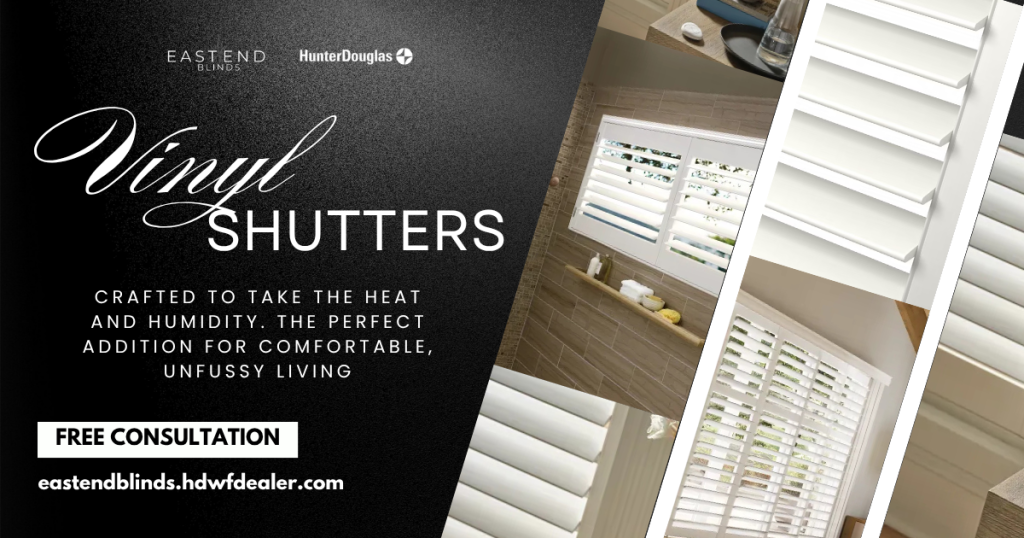
Ready to enhance your home with vinyl shutters? Contact East End Blinds today. Our experts will help you choose the perfect shutters for your needs. Schedule a free consultation to get started!