
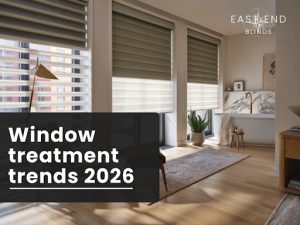


Top down bottom up window shades offer a unique blend of style and function in the living room. They let you adjust light from the top or the bottom. You can create a bright atmosphere while keeping privacy. You’re free to highlight a view or shield sensitive areas. These shades fit into any decor style with ease.

How Shade Mechanics Work
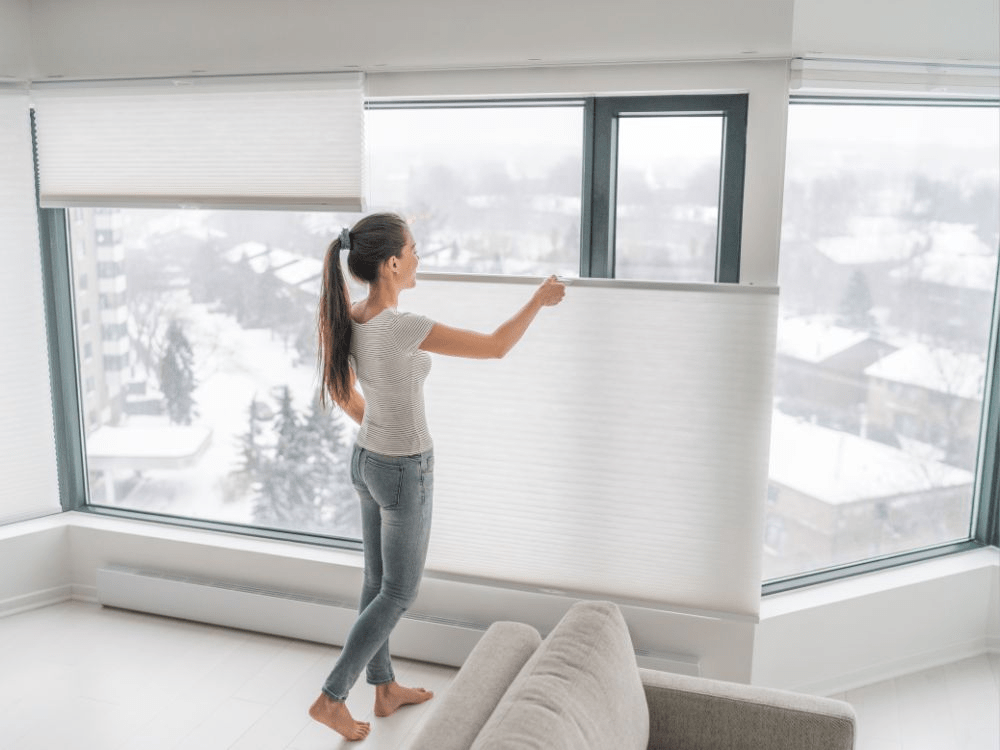
Top down bottom up shades operate with dual rails that move independently. The top rail lowers to admit daylight while the bottom rail stays raised. This design lets you balance natural light and privacy with ease.
Each shade uses a simple yet sturdy track system. Springs or tensioned cords maintain smooth, even movement. You’ll notice consistent operation even after repeated adjustments.
Modern versions offer cordless or motorized lifts for added safety and convenience. Quality materials resist sagging over time. You get reliable performance and an elegant appearance that lasts.
Styling Strategies
These tips will help you make the most of your shades’ unique functionality. You’ll learn how to blend light control with design flair.
Maximizing Natural Light
Top down bottom up shades let you welcome daylight without losing privacy. You can raise the top rail without exposing the floor level. This lets sunlight fill your living room. It maintains a light and airy feeling throughout the day. You’ll avoid glare on screens and reflective surfaces. Soft, even daylight boosts mood and energy.
You can adjust the height in small increments for precise control. The ease of use makes it a go-to styling tool for designers. Choose a light-filtering fabric to diffuse harsh rays. That gentle light reduces eye strain and highlights textures. Pair shades with light-colored furniture to amplify brightness. It’s a foolproof way to elevate your decor.
Enhancing Privacy Comfort
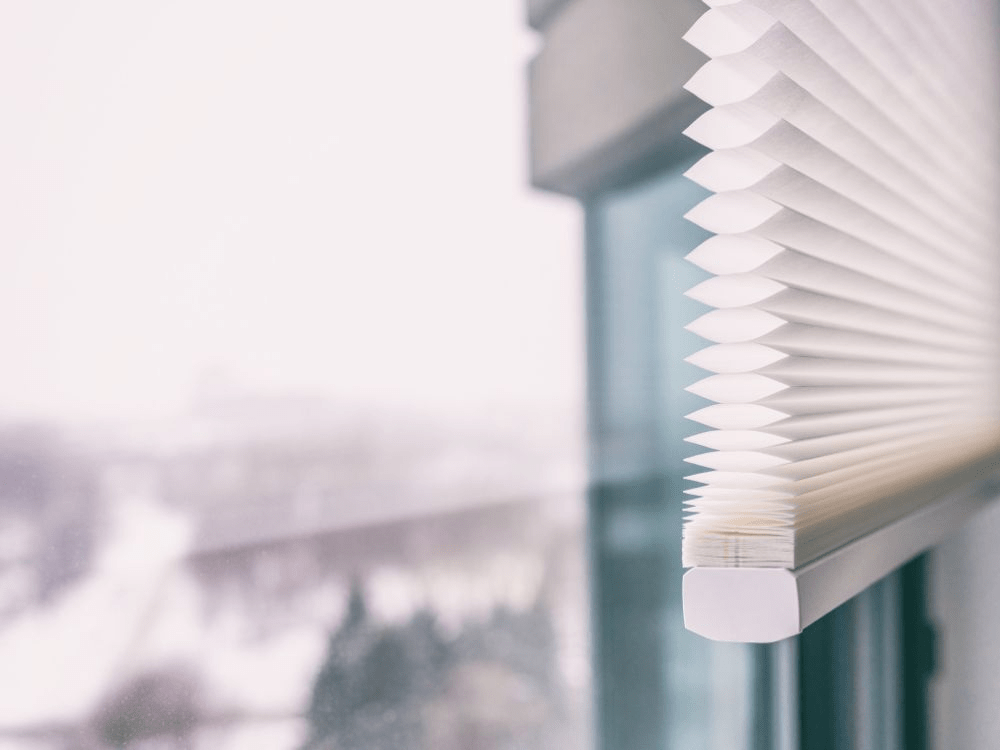
Top down bottom up shades let you shield living areas from prying eyes. You can close the bottom rail fully. That blocks the street-level view. At the same time, you can open the top rail to keep the space bright. This strategy works for street-facing windows. It also keeps the room feeling connected to the outside world.
You’re free to adjust your privacy needs throughout the day. It’s perfect for homes on busy thoroughfares and ground-floor rooms. Designers often pair this function with soft furnishings to create a cozy retreat. Consider top-down-only shades at night for a cozy glow from outdoor lights. That setup keeps your room intimate after dark.
Creating Framed Views
Use the bottom rail to frame garden vistas and skyline panoramas. You can leave a gap at the top rail. This creates a small window slice that highlights your favorite view. It draws the eye to landscape elements. It also adds architectural interest to a plain wall.
You’ll feel like you have a curated art piece. Change the rail position to shift the view as light moves. This approach works well in rooms with multiple windows. It turns every glance outside into a deliberate visual experience. It’s a simple trick that adds sophistication to any living room.
Balancing Texture and Color
Selecting the right fabric can make or break your design. Merge tactile textures with color choices that complement your palette. For example, choose a linen blend in a warm neutral. That adds a soft, tactile layer. You might go bold with a deep teal for a dramatic accent. The richness of color can tie in with cushions or rugs.
Light-filtering sheers can soften the overall effect. Matte fabrics reduce glare while adding depth. Consider textures like woven slubs or basketweave to enrich your decor. The interplay of fabric and shade mechanics creates a layered look that feels polished and fresh.
Integrating Patterns and Solids
Mix patterned drapes with solid shades for a balanced aesthetic. Choose subtle stripes or geometric prints in drapery. Then install solid-color top down bottom up shades underneath. The plain fabric keeps the pattern from overwhelming your space. You’ll get a hint of design without distraction.
You can switch drapery out seasonally. Meanwhile the shades remain a neutral base. This pairing works in both modern and traditional settings. It also lets you experiment with trend-driven fabrics. The result is a dynamic yet harmonious window treatment that adapts to your style changes.
Layering for Depth and Warmth
Layering shades with additional window treatments adds visual depth. Start with top down bottom up shades for function. Then add a sheer curtain for a light-diffusing layer. Finish with a heavier drape for insulation and drama. Each layer serves a purpose. The sheers soften daylight for a gentle glow.
The heavy drape frames the window like a stage. You’ll get improved sound absorption and heat retention. This layered look feels intentional and refined. It also lets you play with opacity and color mixes. Designers use this method to create luxe window ensembles.
Seasonal Styling Adaptations
Adjust shade fabrics to suit changing seasons. In summer go light with airy linens. They allow breezes to pass and light to flood in. In winter swap to thicker weaves. They insulate and retain heat. You’ll keep your living room cozy on chilly days.
Use rich jewel tones for autumn warmth. Switch to cool pastels in spring. The simple rail adjustments make these swaps easy. Seasonal styling keeps your space feeling fresh year-round.
Wrap Up
Top down bottom up window shades blend style with function in any living space. They let you adjust light intake precisely and protect your privacy at all times. You can highlight views or soften harsh rays with a simple pull. With the right fabric and setup, they become a seamless design element that elevates your home. Want to transform your living room with custom top down bottom up window shades? Contact East End Blinds for quality window treatments tailored to your style. Our experts provide free in-home consultations and professional measuring and installation. Give your space a fresh look today. Reach out to East End Blinds and let us help you find the perfect solution.