


Choosing the right window treatment can make a huge difference in how your room looks, feels, and functions. But when it comes down to it, many homeowners find themselves asking the same question: shutters or blinds?
Both options offer light control, privacy, and style—but they’re not the same. Understanding the key differences between the two will help you make a smart, long-term decision that matches your lifestyle, budget, and home design.
In this guide, we’ll break down how shutters and blinds compare—and which might be the better fit for your windows.
What Are the Key Differences Between Shutters and Blinds?
At a glance, both shutters and blinds appear to serve the same purpose. But there are some clear distinctions that go beyond aesthetics.
Mounting and Structure
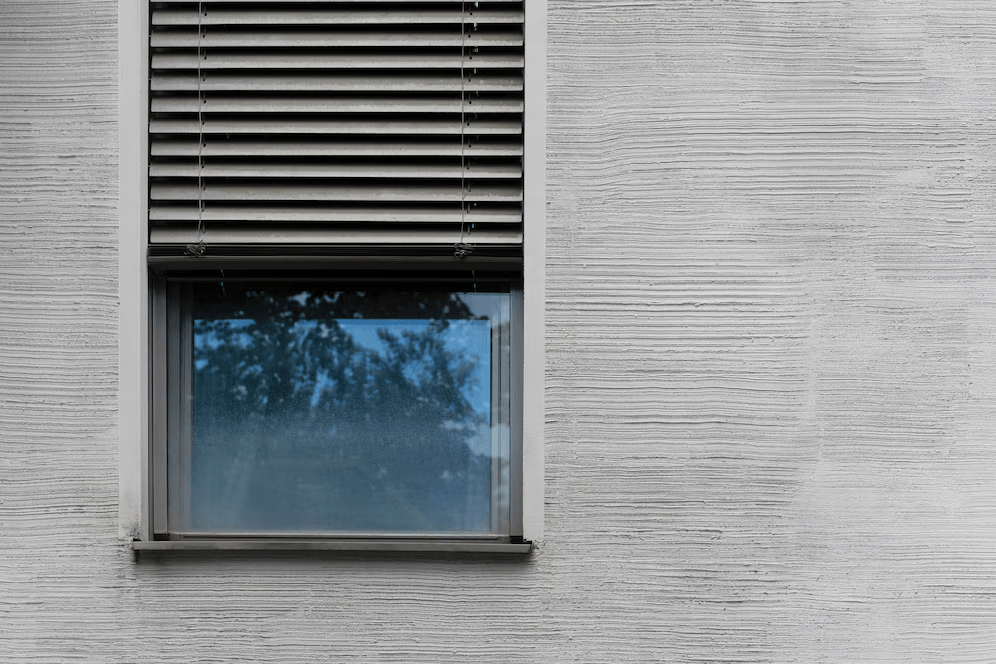
- Blinds are typically mounted inside or above the window frame and consist of slats that can be tilted open or closed.
- Shutters are solid window coverings that are usually installed directly into the window frame with a fixed panel design.
Shutters are more integrated into the architecture, while blinds are generally seen as removable and more flexible.
Appearance and Style
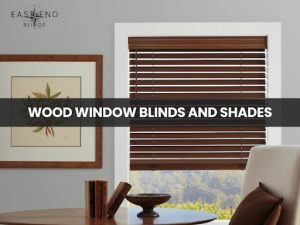
- Blinds come in many forms—wood, faux wood, aluminum, and fabric. One popular style, wood window blinds, adds warmth and texture while staying versatile.
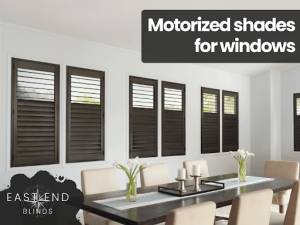
- Shutters, often made of wood or composite, offer a structured, classic appearance that suits both traditional and modern homes.
If you want clean lines and a tailored look, shutters win for structure. But for variety and layering flexibility, blinds are the go-to.
Light and Privacy Control
Both offer excellent light control, but the way they do it differs:
- Blinds are easy to tilt or pull up for a wide range of light levels.
- Shutters also have adjustable louvers, but they usually open outward or have bi-fold functionality.
Blinds may provide quicker changes in light and visibility, while shutters give you a more secure and contained option that doubles as insulation.
Durability and Maintenance
When it comes to long-term durability:
- Wood window blinds are durable and add a natural, refined touch—but they require dusting and can warp in humid conditions unless treated.
- Shutters are considered more permanent and are easier to wipe clean, especially composite styles designed for moisture-prone areas like kitchens or bathrooms.
If you’re looking for low-maintenance, moisture-resistant window solutions, shutters may have the edge.
Comparing Costs: Shutters vs. Blinds
Cost can vary greatly depending on the size of your windows and the material you choose.
| Feature | Blinds (Wood) | Shutters (Wood or Composite) |
| Initial Cost | $$ (Affordable) | $$$ (Higher upfront) |
| Installation | Simple | Professional recommended |
| Longevity | 5–10 years | 15–20+ years |
| Home Value | Adds moderate value | Can increase resale appeal |
Blinds are generally more budget-friendly upfront, while shutters are an investment that pays off in long-term value and durability.
Which Rooms Work Best for Blinds?
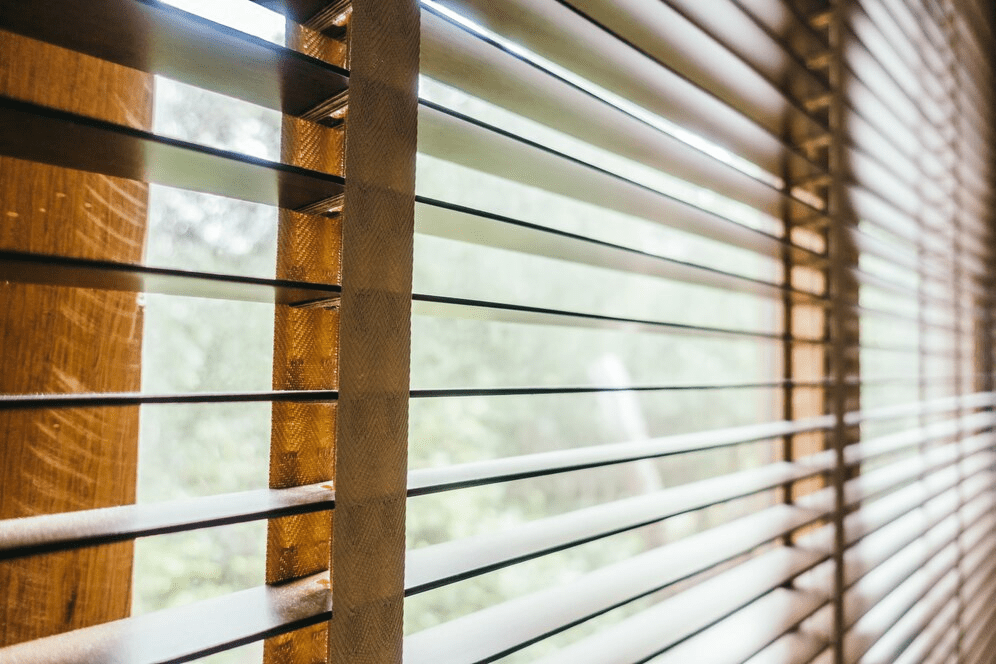
Blinds—especially wood window blinds—work well in:
- Living Rooms: Add depth and texture with easy light adjustment.
- Bedrooms: Pair with blackout curtains for better sleep control.
- Offices: Simple design with light filtering for screen comfort.
They’re also great if you want the flexibility to change your decor more often, since blinds are easier to swap out than shutters.
Which Rooms Are Ideal for Shutters?

Windows shutters are a smart choice in rooms where durability and style matter:
- Kitchens: Easy to clean, moisture-resistant, and timeless.
- Bathrooms: Offer privacy with ventilation and won’t warp in humidity.
- Entryways and Dining Rooms: Add structure and architectural interest.
Shutters are also great for increasing curb appeal, especially when used on front-facing windows for a uniform look.
Style Considerations: What Matches Your Home?
- If you love a classic, timeless style with built-in, custom details—go with window shutters.
- If you prefer versatility, layering, or frequent design updates, choose wood window blinds or another blind style.
Homeowners who value long-term investment and clean architecture often lean toward shutters, while those who want easy swaps or trending finishes often opt for blinds.
The Final Decision: Function or Flexibility?
There’s no one-size-fits-all solution. The better choice depends on:
- Your budget
- Your home’s style
- Room-specific needs
- How long do you plan to stay in the home
Both wood window blinds and window shutters offer excellent control and style. But if you’re ready for a lasting solution that boosts home value and brings timeless beauty to your windows, shutters from East End Blinds are worth serious consideration.
They’re custom-made to fit your space, easy to maintain, and offer unmatched elegance—making them the perfect final touch to any well-designed room.
Make the Clear Choice with East End Blinds: Shutters That Outshine the Rest
When it comes to choosing between wood window blinds and window shutters, the best option depends on your style, needs, and long-term goals. While blinds offer flexibility and charm, window shutters provide a timeless, built-in look with added durability and value. For homeowners seeking both beauty and performance, shutters are a smart investment that elevates any room. With East End Blinds, you get expert guidance and custom solutions designed to fit your space perfectly—because your windows deserve more than just a covering.