


Hunter Douglas motorized blinds add luxury and convenience to any space. They deliver button or voice control for smooth operation. Traditional shades remain popular for their simplicity and lower price point. Prices can vary based on materials, features, and installation. Understanding these factors helps you choose a solution that fits your budget.
Understanding cost components
Several factors determine the total installed cost of a blind system. You’ll see noticeable differences in materials, motor technology, and window size that affect pricing.
Material choice
Material choice drives the base cost for any window shade. Real wood slats cost more than faux or composite options. Premium woods like oak or basswood can run $30 to $50 per square foot. Faux wood blends often start around $15 to $25 per square foot. Composite materials land in the midrange and add moisture resistance.
Motor components also attach to slat materials. Heavier fabrics and thicker cells need stronger motors. That adds to material expenses. You’ll see each fabric or slat option shift your final sticker price. Planning your budget means weighing both material quality and motor strength.
Automation features
Automation features can raise costs quickly. Basic remote control kits start near $100 per window. Syncing with home assistant platforms costs extra. Battery powered motors cost less upfront than hardwired systems.
Hardwired installation adds labor but saves on batteries. Smart sensors for light or temperature also increase the price. Solar charging modules cut down battery swaps. They add a premium to your bill. Each feature increases the total investment. You should choose only what you truly need.
Upfront purchase price
Sticker prices can vary widely between motorized and traditional options. You’ll find costs shift based on fabric type, size, and automation features.
Base product cost
The basic motorized blind kit starts around $200 per square foot. Traditional manual shades often run $30 to $60 per square foot. Premium fabrics and large sizes push price higher on both. Motor types like quiet DC motors come at a higher fee. Standard clutch systems for traditional shades stay at entry-level cost. Budget drives this gap. You’ll see a three to five times difference in base pricing. That sets the tone for your final investment.
Fabric and customization
Fabric choice heavily influences sticker cost. Designer fabrics like silk or premium linen cost more. Standard polyester or cotton blends sit midrange. Custom prints and blackout liners add to the bill. Edge banding and decorative tapes carry small fees per window. Sizing beyond standard widths triggers custom charges. You’ll pay extra for odd shapes or special cuts. These options let you match decor but raise upfront costs.
Installation expenses
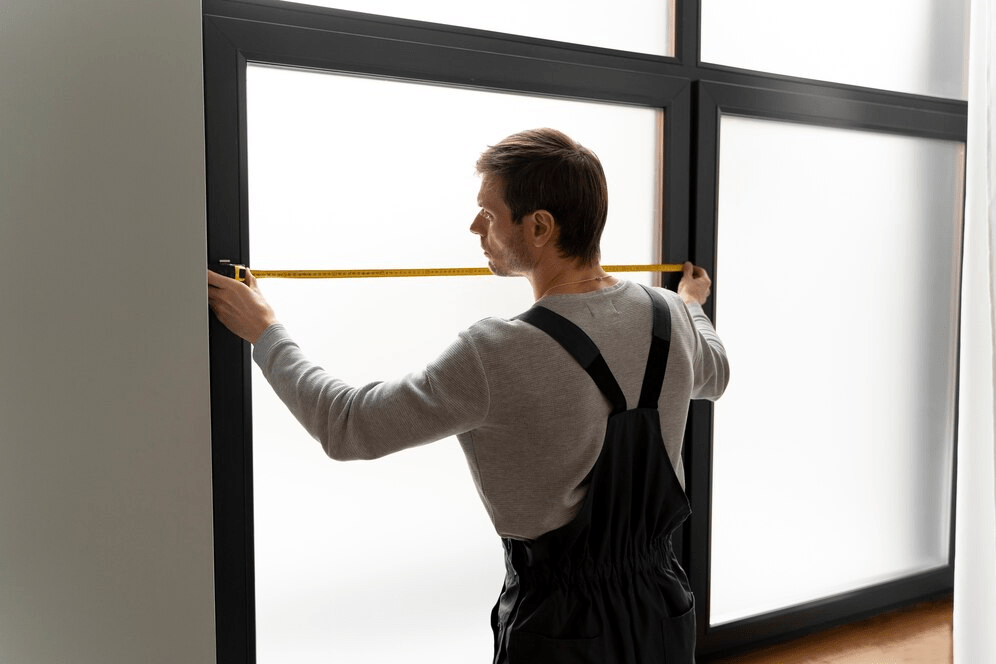
Installation adds a significant portion to your overall budget. Labor rates, mounting complexity, and power wiring needs all contribute to these charges.
- Labor rates and setup: Professional installers charge $50 to $75 per hour. Complex window arrangements can add more hours.
- Power wiring and electrician fees: Hardwired motors need an electrician. Wiring work runs $75 to $150 per window.
- Old shade removal: Disposal and removal fees range $20 to $50 per window. You may pay extra for landfill or recycling services.
Operational and maintenance costs
Ongoing expenses include power consumption and upkeep over the years. You’ll compare energy use, battery needs, and occasional repairs when budgeting.
Energy consumption
Motorized blinds draw very little power. Battery motors use DC power at a fraction of the wattage. They run for months on one set of batteries. Hardwired models use line voltage but only activate during movement. Idle energy drain is negligible. Your monthly electricity cost rises by only cents. You’ll see no major increase in your utility bill.
Battery replacement
Battery powered systems need routine battery changes. Standard alkaline packs last six to twelve months. Rechargeable lithium batteries extend life up to two years. Battery kits cost $20 to $50 per window per cycle. That adds a small ongoing expense. You’ll also budget for occasional motor service or replacement. Maintenance plans can cover repairs. Weigh battery costs before you decide.
Long-term value and return on investment
An investment in motorized systems can pay off over time. You’ll measure returns through energy savings, home value gains, and lifestyle convenience.
Energy savings
Energy savings come from insulating cell designs. Closed cellular blinds trap air for efficient insulation. That cuts heating and cooling costs. Studies show up to 25% energy reduction. You’ll save on your utility bill over the life of the blinds.
Home value increases
High-end window treatments can boost resale value. Buyers appreciate smart home features. Motorized blinds signal modern convenience and quality. Real estate agents note they can add perceived luxury. That can raise home value by a small percentage.
Convenience and time savings
Motorized systems save you daily effort. No more cords to adjust every window. You’ll schedule movements for sunrise or sunset. That automates light control and privacy. It frees up your time and adds simple luxury.
Cost comparison chart
A clear chart shows price ranges and potential savings. You can compare upfront costs against long-term benefits.
- Hunter Douglas motorized blinds: Base cost $200–$500 per sq ft; installation $75–$150 per window; battery costs $20–$50 annually.
- Traditional shades: Base cost $30–$60 per sq ft; installation $50–$75 per window; no power expenses.
- Potential energy savings: Motorized cellular shades can save 10–25% on energy bills annually.
Wrap Up
Understanding the full cost of Hunter Douglas motorized blinds helps you make an informed window treatment decision. Motorized blinds carry higher upfront and installation costs but deliver long-term savings and convenience. Traditional shades remain budget-friendly and simple to maintain. Evaluate your priorities to balance cost, features, and value over time.
For expert guidance and quality installations, contact East End Blinds today. Our specialists install Hunter Douglas motorized blinds with precision and care. Transform your home with the latest in automated window coverings.