


Indoor window shades come in many styles to suit your home’s needs. Two popular options are cellular and pleated designs. Cellular shades feature a honeycomb structure that traps air and boosts energy efficiency. Pleated shades offer crisp folds and a lightweight aesthetic for versatile light control.
Cellular Indoor Window Shades
When selecting indoor window shades, cellular designs stand out for their insulation and sleek look. They blend function with a clean, modern profile.
Construction and Honeycomb Design
The honeycomb cells in these indoor window shades create pockets of air that act as insulation. They help keep rooms warmer in winter and cooler in summer. Each cell layer adds structural strength without bulk. This design also improves sound absorption, making living spaces quieter. High-quality cellular fabrics resist sagging over time, so your shades retain their shape.
Light Diffusion and Insulation Benefits
These indoor window shades diffuse incoming sunlight softly across the room. You avoid harsh glare on screens and furniture. The honeycomb structure further traps air, reducing heat transfer through windows. Energy efficiency can lower heating and cooling bills. Many shades come in single, double, or even triple-cell styles for customized performance.
Style and Color Options
You can find cellular indoor window shades in a spectrum of colors and opacities. Light-filtering fabrics admit a gentle glow while preserving privacy. Room-darkening blends block most daylight, perfect for media rooms or bedrooms. Sheer weaves offer minimal insulation but maximum brightness. Contemporary patterns and textured weaves add visual interest without clutter.
Pleated Indoor Window Shades
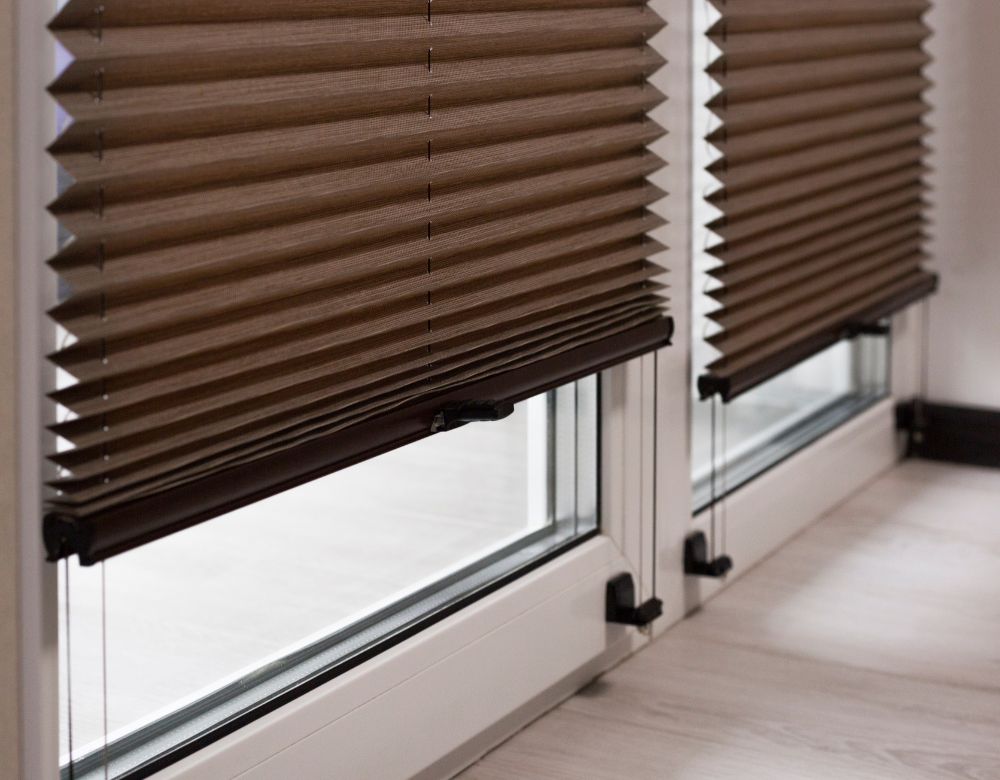
Pleated indoor window shades bring a sleek, tailored look to any décor. Their minimalist folds provide crisp lines and effortless style.
Fabric Folds and Profiles
Pleated indoor window shades fold elegantly into neat, accordion-like stacks. They feature a single layer of fabric, making them ultra-slim when raised. You can choose from deep or shallow pleat profiles to suit window proportions. The simple folding action delivers a clean, architectural touch. Lightweight materials make them easy to lift and adjust.
Light Filtering vs. Blackout Fabrics
Some pleated indoor window shades use specialized fabrics for soft light filtering. These let in enough daylight to brighten a room without harsh sunbeams. Other versions employ blackout backing to block nearly all light. Blackout pleated shades work well in nurseries or media rooms. A fabric choice gives you the balance between brightness and darkness you need.
Customization and Patterns
Custom indoor window shades in pleated form let you choose from solids to bold prints. Geometric patterns create a modern focal point. Subtle textures add richness and depth to minimalist rooms. You can mix and match top-down and bottom-up styles for flexible light control. Motorized options integrate seamlessly with smart-home systems.
Comparing Cellular and Pleated Indoor Window Shades
A direct comparison helps pinpoint which style fits your needs best. Consider these factors before deciding:
- Thermal Performance: Cellular shades trap air more effectively than pleated designs.
- Light Control: Pleated fabrics offer sharper folds but less insulation.
- Privacy Levels: Both styles screen views well; cellular keeps temperature in check.
- Space When Raised: Pleated stacks are slimmer than cellular’s bulkier cells.
- Aesthetic Versatility: Pleated shades work in tight spaces; cellular shades suit modern and traditional alike.
- Durability and Maintenance: Cellular fabrics resist dust and sagging; pleated weaves can crease over time.
- Cost Considerations: Cellular options often cost more due to multi-cell construction.
- Installation Complexity: Both mount similarly, though cellular’s weight may need sturdier brackets.
Motorization and Smart Control Features
Motorized indoor window shades deliver modern convenience. Smart controls allow seamless operation tailored to your lifestyle.
Remote and App Controls
You can raise or lower shades with a handheld remote. Mobile apps let you set schedules from anywhere. You adjust settings with a tap or voice command. This feature ensures your shades respond even when you’re not at home. It adds a tech-savvy touch to traditional window treatments.
Integration with Home Automation
Smart hubs connect your shades to lighting, thermostats, and security systems. When you motorize indoor window shades, you can include them in morning or evening routines. Shades can rise at sunrise to wake you gently. They close automatically when you leave for work. This integration saves energy and boosts comfort without extra effort.
Power Options and Installation
Battery-powered motors require minimal wiring and simple setup. Rechargeable batteries last months on a single charge. Hardwired systems offer continuous power for high-traffic windows. Installation is quick for both options with professional help. You choose the style that fits your home’s needs and your budget.
Budget-Friendly Choices and Value Analysis
Finding stylish motorized shades for windows on any budget can feel daunting. Fortunately, budget-friendly choices for bottom up shades deliver both function and flair without breaking the bank.
Affordable Material Alternatives
Opting for faux-wood or composite slats instead of premium hardwood trims your price tag. Polyester and linen-blend fabrics mimic the look of luxury weaves for far less. These alternatives resist warping and fading while providing similar light control benefits. Many manufacturers offer budget lines that use durable, easy-clean materials. You get the essence of high-end design without splurging on exotic woods.
Ready-Made Versus Custom Solutions
Standard-size bottom up shades from big-box and online retailers often cost 30–50% less than custom orders. These ready-made options come in popular window dimensions, making installation a breeze for DIYers. If your windows have unique measurements, off-the-rack shades may still work with minor trim adjustments. Custom fabrication lets you select exact colors and fabrics but carries a premium. Weigh the value of a perfect fit against substantial savings on stock models.
Maximizing Value with Key Features
Look for essential features that enhance convenience without pushing you over budget. Cordless lift systems improve safety and aesthetics at minimal extra cost. Light-filtering fabrics provide a gentle glow and partial privacy, costing less than full blackout weaves. Simple spring-loaded hubs offer smooth operation without motorization expenses. A modest investment in a valance or side channels can elevate the look without major add-ons.
Seasonal Deals and Discounts
Home goods retailers and shutter specialists often clear inventory at quarter-end or during holiday promotions. You can snag bottom up shades at 20–40% off during Black Friday, Memorial Day, and year-end sales. Bundling multiple windows into one order sometimes unlocks volume pricing or free shipping. Signing up for newsletters alerts you to flash sales and exclusive coupon codes. Patience and timing can yield designer-quality treatments at outlet prices.
Conclusion
Both cellular and pleated options bring unique strengths to indoor window shades. Cellular designs excel at insulation and soft light diffusion. Pleated styles offer a sleek, space-saving profile with versatile fabrics. Matching your priorities, be it energy efficiency or minimalist flair, ensures a perfect choice.
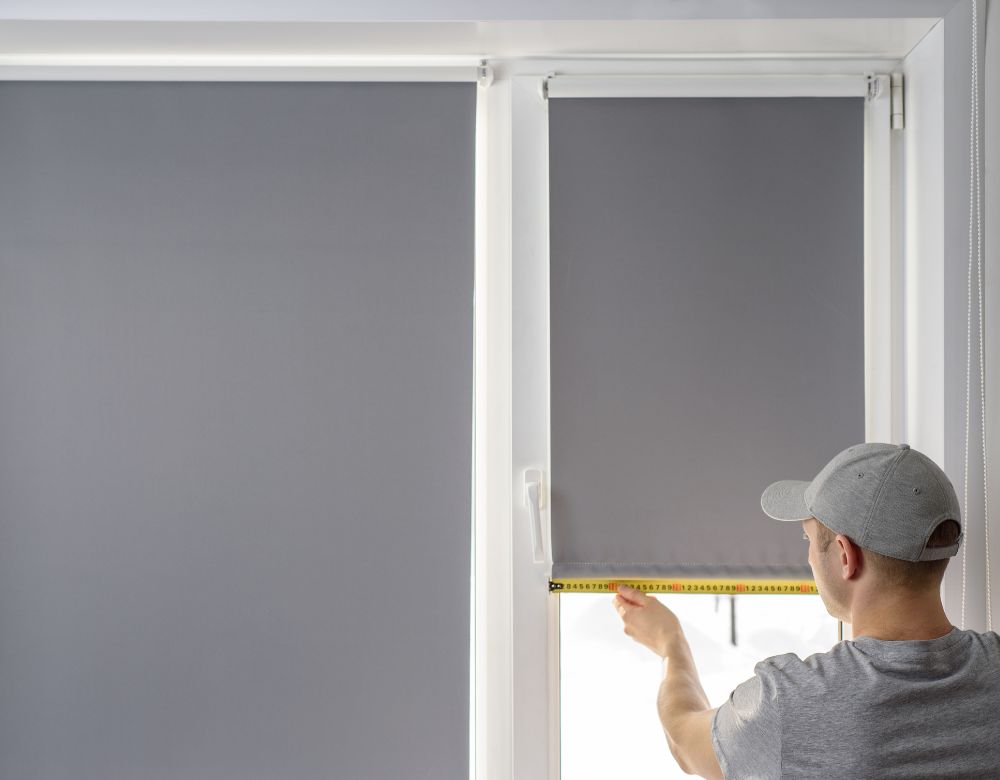
For quality indoor window shades tailored to your space, visit East End Blinds. Our experts guide you through style, material, and installation options. You’ll enjoy precision measurements and flawless fitting. Contact us today to elevate your home’s comfort and design.