




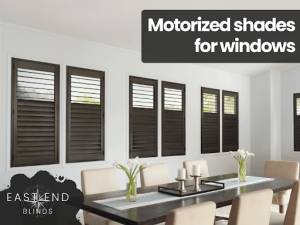
Blinds installation transforms windows into style statements and adds privacy. You can tackle it with the right preparation and tools. Start by measuring accurately for a perfect fit. Then select the best mounting style for your window setup. Done correctly, you’ll enjoy a polished look and smooth operation.

Step-by-Step Blinds Installation Process
Installing blinds becomes easier when you follow a clear, structured process. Use these steps to ensure a secure, level, and attractive result.
- Unbox and Check Contents: Confirm you have brackets, screws, blinds, a valance (if included), and instructions.
- Mark Bracket Placement: Use a pencil and level to mark where brackets will be mounted based on your measuring results.
- Drill Pilot Holes: Pre-drill holes to prevent wood or drywall splitting and make mounting easier.
- Install Mounting Brackets: Screw brackets into place, ensuring they’re level and aligned.
- Attach the Blinds: Slide the headrail into the brackets and lock it in securely per the product’s instructions.
- Test Operation: Pull the cord or use your remote (for motorized) to check smooth function and level positioning.
Accurate Measuring Techniques
Proper measurements are key to blinds that fit and function well. Always double-check your numbers before ordering or cutting any materials.
- Measure Width in Three Places: Take measurements at the top, middle, and bottom of the window opening. Use the narrowest width for inside mounts.
- Measure Height Vertically: Measure from the top inside edge of the window frame to the sill or floor at three points. Use the longest measurement.
- Account for Obstructions: Watch out for handles, cranks, or molding that could block operation or mounting.
- Add Extra Coverage for Outside Mounts: Extend width 1.5–3 inches beyond window frame for full coverage.
- Record Measurements Clearly: Write down measurements as width x height, specifying inside or outside mount to avoid ordering mistakes.
Tips for Inside and Outside Mounting
Choosing between inside and outside mount depends on your window depth, aesthetic goals, and light control preferences. Each has pros, with unique considerations.
Inside Mount Considerations
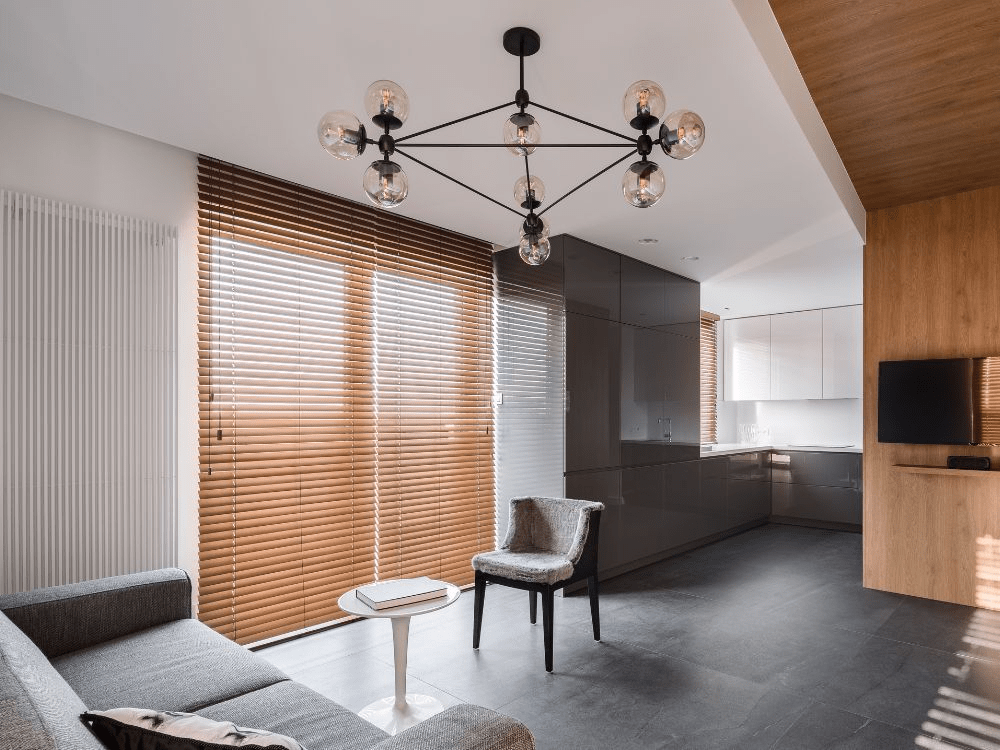
Inside mounts provide a clean, built-in look by fitting the blinds within the window recess. You’ll need sufficient depth—usually at least 1 to 2 inches—for a flush fit. Inside mounts preserve trim details and offer a minimalist profile. However, light gaps at the sides may occur. Always measure depth carefully to ensure the blind headrail won’t protrude.
Outside Mount Considerations
Outside mounts attach above or around the window frame, covering a broader area. This method works well for shallow frames or uneven surfaces. It also blocks more light and adds visual height to windows. Extend the width for better coverage and aesthetics. Use a level to ensure brackets align horizontally, especially when mounting on drywall.
Mounting on Drywall or Plaster
When installing on drywall or plaster, use wall anchors or toggle bolts to keep brackets secure. Avoid relying on screws alone, which may loosen over time. Use a stud finder if possible for extra reinforcement. Drilling carefully prevents cracking delicate wall surfaces. You’ll get a firmer, longer-lasting hold for your blinds.
Dealing with Window Obstructions
Obstructions like cranks, locks, or sashes may interfere with inside mounting. Choose an outside mount if necessary, or use spacer blocks to push the brackets forward. For motorized blinds, leave space for wiring or battery packs. Custom cut-outs or extension brackets may also solve clearance issues.
Common Installation Mistakes and How to Avoid Them
Blinds installation is straightforward, but small missteps can lead to poor function or damage. These tips help avoid the most frequent issues.
Uneven Brackets
Misaligned brackets make blinds hang crooked or bind during movement. Always use a level and measure from a fixed reference point. Mark both sides before drilling. Double-check that both brackets are at equal height.
Ignoring Frame Depth
Blinds may stick out awkwardly or not install properly when you skip measuring the frame depth. Always verify that your window recess accommodates the full headrail. For tight spaces, choose shallow-profile blinds designed for minimal clearance.
Overtightening Screws
Overtightening screws can crack plastic brackets or strip holes, weakening support. Stop turning once the brackets feel snug and firm. Use pilot holes to guide screws cleanly and reduce stress on surfaces.

Forgetting Pre-Installation Checks
Skipping a dry fit test can hide bracket misalignment or mounting issues. Hold brackets and blinds in place before drilling. This preview helps you visualize clearance and alignment.
Incorrect Mounting Hardware
Using the wrong screws or skipping anchors weakens the installation. Always follow the manufacturer’s hardware recommendations. For plaster or hollow walls, anchors are essential for holding weight.
DIY vs Professional Installation
Choosing between DIY and hiring a pro depends on your comfort with tools, window types, and how seamless you want the final result. Searching “blinds installation near me” can help you compare options if you’re unsure.
DIY Pros and Cons
DIY gives you flexibility and saves on labor costs. It’s ideal for handy homeowners with standard window types. But complex or high-up windows might pose risks or take too long. Errors in measuring or drilling can cost more in replacements or repairs.
When to Hire a Pro
Hire a pro if your windows are large, angled, or difficult to access. Professionals bring experience, tools, and product knowledge that reduce guesswork. They also handle motorized and custom-fit blinds with precision. In many cases, installers back their work with a warranty.
Budget Considerations
DIY installation saves money, especially for multiple windows. But a botched install may require reorders or wall repair. Professional installation adds cost upfront but delivers a polished, reliable finish. Consider value as well as expense.
Custom Products and Automation
Automated blinds often require electrical work or smart-home integration. Pros ensure compatibility and correct setup. For custom shades with special mounts, they also adjust framing or hardware on-site. This expertise helps avoid warranty voids or performance issues.
Install with Confidence: The Right Blinds Make the Difference
Blinds installation is more than just a finishing touch. It shapes the look, privacy, and function of your space. With the right tools and careful planning, even a DIY install can look professional. Knowing when to call in the experts helps avoid costly mistakes. Whether you go with inside or outside mounts, good measurements are key. A clean, secure fit transforms your windows into a design highlight.
Ready to upgrade your windows? Browse East End Blinds’ full range of window treatment solutions. From custom blinds and shades to curtains and shutters, we have the perfect match for your style and needs. Get expert guidance, free measuring, and professional installation to ensure flawless results by contacting us.