



Blinds for wooden windows add timeless character to any room. They bring warmth and texture while remaining highly functional. Natural wood slats showcase authentic grain patterns. Faux wood and composite options resist moisture and suit today’s budgets. You’re sure to find a style and finish that elevates your decor.
Trending Blind Materials
Trending blind materials shape the look and function of wooden window treatments. Top options now range from real wood to eco-friendly composites with lasting style.
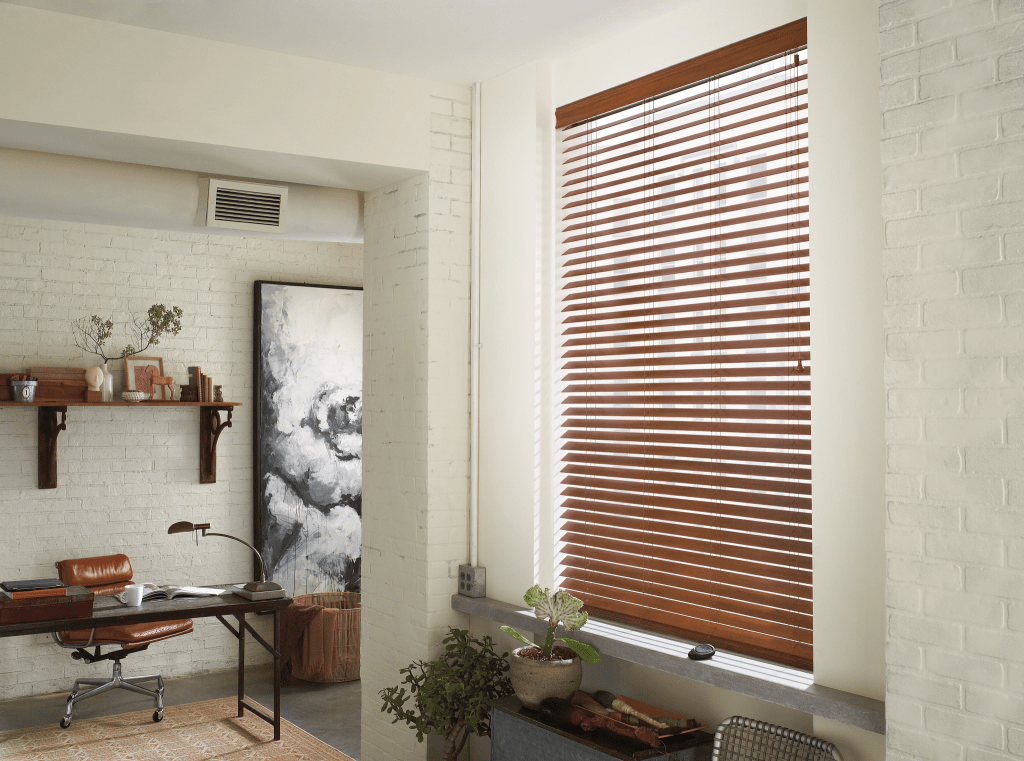
Natural Wood Slats
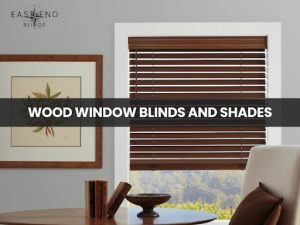
Natural wood slats bring timeless warmth to any room. You’ll see authentic grain patterns and subtle color variations across each slat. That unique character adds visual interest without extra decor.
Over time, high-quality woods like basswood or oak resist warping and maintain their finish. They also absorb and reflect light in appealing ways. You’re free to choose stains that match existing trim or go bold with contrasting tones. The result feels custom and crafted.
Proper sealing protects against moisture in kitchens or bathrooms. Natural wood strikes a balance between classic charm and reliable performance.
Faux Wood Alternatives
Faux wood blinds mimic the look of real wood for a fraction of the cost. They’re crafted from PVC or vinyl blends that resist fading and moisture. In high-humidity rooms, you’ll avoid warping or cracking common with natural wood. Faux slats wipe clean with a damp cloth and stand up to daily wear.
They come in varied textures and wood-grain finishes that fool the eye. You’ll find both solid-color and embossed patterns to suit any decor. This material also offers improved light blockage with minimal gaps at the edges. If you want wood appeal without the maintenance, faux wood makes sense.
Bamboo Shades
Bamboo shades infuse spaces with organic texture and eco-friendly appeal. These woven panels highlight natural fibers and subtle tonal shifts. Bamboo regenerates quickly, making it a renewable choice for green homes.
You’ll notice a warm glow when light filters through thin slats. That soft illumination creates a relaxing atmosphere. Many bamboo shades pair with top-down down bottom up systems for extra versatility.
They also layer beautifully under curtains or drapes. Keep them dry and dust-free to extend their lifespan. Bamboo offers a fresh, nature-inspired alternative to solid woods.
Composite and Eco-Friendly Materials
Composite blinds blend wood fibers with recycled resins for strength and sustainability. They resist moisture and insect damage while showcasing fine wood textures. These engineered slats hold paint and stain equally well. You’ll get consistent color and surface smoothness without knots or splits.
Many composites carry certifications for low chemical emissions. That ensures healthier indoor air and eco-friendly cred. Installation and upkeep mirror faux wood, yet the look feels more upscale. Composite options let you support recycling initiatives with each blind purchase.
Popular Blind Styles
Popular blind styles for wooden windows balance form and function. From classic Venetians to modern cellular designs, these options suit any decor and light control needs.
Roman Blinds
Roman blinds fold into neat horizontal pleats when raised. They offer a soft, tailored look that feels more like fabric drapery than a standard blind. When lowered, the panels lie flat against the window for smooth coverage. You’ll find styles from relaxed hobbled folds to crisp tailored pleats.
Roman designs often use blackout liners for improved insulation and privacy. They work well in living rooms or bedrooms where a cozy, textile feel matters. Operating systems range from traditional cords to cordless lift mechanisms. Romans add depth and softness to wooden windows without bulky hardware.
Venetian Blinds
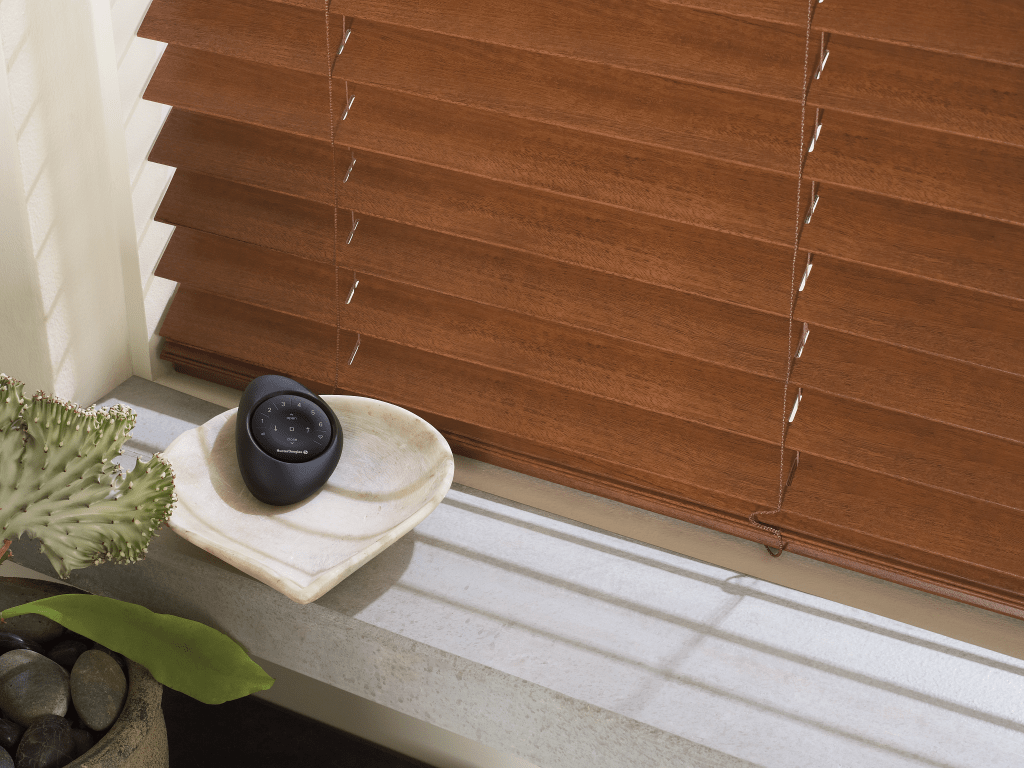
Venetian blinds feature horizontal slats that tilt to control light and view. You can angle the slats slightly for filtered daylight or lift them completely for a clear outlook. Wood, faux wood, or aluminum slats sit neatly in headrails that blend with window trim.
Venetian blinds suit both traditional and contemporary spaces. They’re easy to clean by wiping each slat with a microfiber cloth. The simple mechanism makes adjustments quick and tactile. You’ll enjoy precise light control and a timeless aesthetic.
Roller Blinds
Roller blinds offer a sleek, minimalist profile when lowered or rolled up. A single pane of fabric wraps around a discreet tube at the top of the window. You’ll find blackout, light-filtering and sheer fabrics to match performance needs.
Roller systems can be motorized for hands-free operation or fitted with a clutch for manual use. Their unobtrusive design works in living areas and kitchens alike. You’re free to choose bold patterns or neutral tones for a custom look. Roller blinds excel in rooms where space is limited around the frame.
Cellular (Honeycomb) Blinds
Cellular blinds feature a unique honeycomb structure that traps air for insulation. That design helps regulate indoor temperature and reduce energy bills. When fully lowered, they block light and noise more effectively than flat fabrics. You’ll get a soft, diffuse glow with light-filtering cells or complete blackout with thicker designs.
Cellular blinds collapse into a compact stack when raised, preserving window visibility. They come in top down bottom up variants for dual control of light and privacy. The clean, modern look suits contemporary decor and eco-conscious homes.
Conclusion
Choosing the right material and style transforms wooden windows into standout design elements. Natural wood slats bring warmth and authentic grain depth. Faux wood, bamboo, and composites offer durability, budget flexibility, and eco-friendly options.
Popular styles from Roman to cellular blinds combine aesthetics with precise light control. Whichever route you pick, you’re adding value and comfort to your space.
Need to elevate your wooden windows with stylish window treatment? East End Blinds offers expert guidance and custom solutions tailored to your home. Reach out today and transform your space with quality craftsmanship.